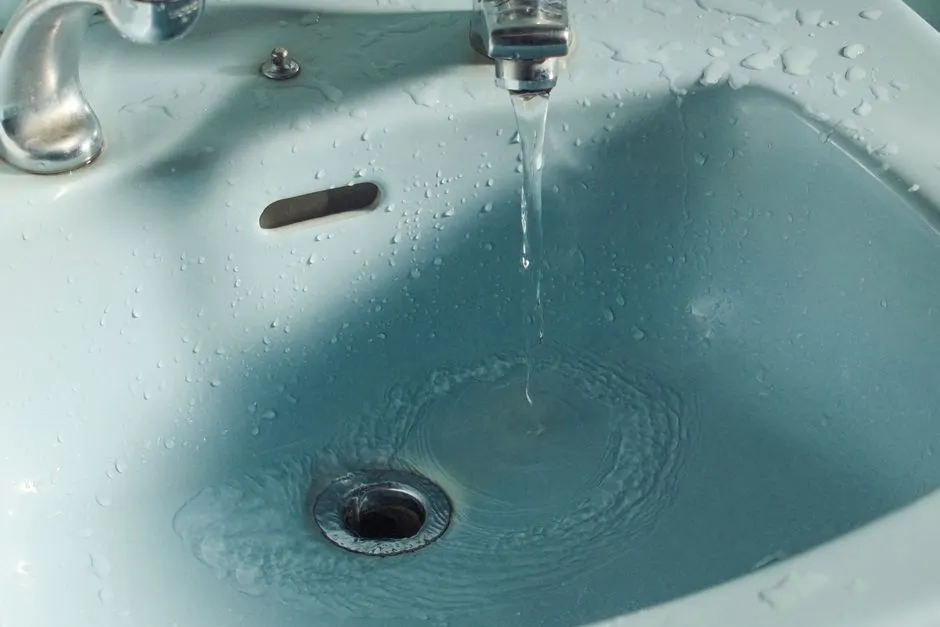
A drain in Lancaster is usually clogged because hair, soap residue, grease, food scraps, or paper has collected inside the pipe; a recurring or multi-fixture blockage can point to a deeper branch-line or sewer problem. If you are asking why is my drain clogged lancaster PA, the quickest clue is where the water stands and whether other drains are slow too. A single sink often has a local obstruction, while several fixtures acting up together deserve prompt attention. We explain the likely causes, safe first steps, and warning signs so you can choose the right next move without making the blockage worse.
A clogged drain is a plumbing blockage that restricts wastewater flow and needs clearing when water drains slowly, backs up, or stops moving. Our team handles drain problems throughout the area, from a bathroom drain clogged lancaster PA residents find after a busy week to kitchen lines affected by cooking waste. Lancaster Pennsylvania Plumbing Service helps homeowners identify the cause instead of relying on repeated quick fixes.
Why is my drain clogged in Lancaster PA?
Common drain clogs in Lancaster PA form when everyday waste sticks to pipe walls, combines into a larger mass, or catches at a bend or fitting. A sink strainer may catch visible scraps, but it cannot stop soap film, hair, cooking fats, or objects already moving into the trap.
The location and pattern tell you a lot. If one basin is slow while the rest of the home drains normally, the blockage is often in that fixture's stopper, trap, or nearby branch pipe. If a toilet bubbles when a tub drains, or several fixtures back up at once, the restriction may be farther down the shared drain or sewer line.
Notice how quickly the problem developed. A drain that slows over several weeks usually has a buildup narrowing the passage. A sudden backup after a large meal or a bath can mean a wad of debris has lodged at a tight turn. Persistent sewage odor, gurgling, or wastewater coming up through a floor drain are stronger warning signs than slow water alone.
What usually blocks kitchen and bathroom drains?
Kitchen and bathroom drains clog for different reasons, but both collect material that sticks to the inside of the pipe. In kitchens, grease and food particles combine; in bathrooms, hair, soap residue, and grooming products form a dense plug.
Kitchen sinks: grease, starch, and disposal waste
Cooking oil and melted fat look liquid when warm, then cool and cling to pipe walls. Over time, the coating catches coffee grounds, rice, pasta, eggshell fragments, and other scraps. A garbage disposal grinds food but does not make grease or fibrous waste safe for the drain.
If a kitchen drain clogged lancaster homeowners deal with repeatedly clears for only a day or two, the blockage may remain beyond the trap. We clear the line and check whether the disposal, drain fitting, or pipe layout is contributing to the recurring issue. Our drain cleaning lancaster PA service addresses the obstruction rather than masking the symptom.
Bathrooms: hair, soap, and paper
Hair catches on a tub stopper, shower drain, or pipe joint, then traps soap scum and skin oils. A drain clogged with hair lancaster households notice often starts as a slow shower that gradually leaves water around the ankles. Toilet clogs usually involve too much toilet paper, wipes, or an object that should not be flushed.
Even products labeled flushable can stay intact long enough to snag in a bend or older pipe. Keep wipes, cotton swabs, dental floss, and hygiene products out of toilets. A simple removable strainer in a shower can catch much of the hair before it reaches the drain.
How Lancaster homes and seasons affect drain flow
Lancaster homes can experience drain blockages from a combination of household buildup, pipe condition, and seasonal outdoor changes. In older houses, previous repairs and mature tree roots are worth considering when several fixtures share a slow drain or recurring backup.
Tree roots seek moisture around underground sewer joints, especially where a line has a crack or loose connection. Roots do not usually explain one isolated bathroom sink clog, but they can narrow a sewer line and cause repeated trouble across the house. Lancaster properties with large trees and older buried lines should take recurring whole-home symptoms seriously.
As November turns colder, grease and fats can firm up more quickly in cool drain sections, while wet leaves can cover outdoor cleanouts or yard drains. During winter, avoid pouring cooking fat down a sink and keep accessible exterior drain openings clear. Spring rain can expose a line that already struggles, particularly if water backs up at a basement floor drain.
Homes around downtown Lancaster and nearby established neighborhoods include a mix of older layouts and updated fixtures. A newer high-flow fixture connected to an aging or poorly pitched branch line can reveal a weakness that was less noticeable before. Our local Plumbing service lancaster PA work includes tracing whether a blockage is at the fixture or farther along the home's drainage path.
What can you safely try before calling a plumber?
You can try a few low-risk steps for a single slow sink or tub, as long as wastewater is not backing up in multiple fixtures. Start with the visible stopper or strainer, then use a plunger suited to the fixture; stop if water rises elsewhere or the clog returns quickly.
- Remove standing water only if you can do so without spilling it, then clear visible hair or debris from the stopper with gloves.
- For a sink, use a cup plunger that seals around the drain; block the overflow opening with a damp cloth and plunge steadily for 15 to 20 seconds.
- For a tub, remove the stopper and use a tub plunger with enough water to cover its rim. Do not plunge a toilet with a sink plunger.
- Run warm tap water briefly to check the flow. Avoid pouring boiling water into a sink with PVC piping or a porcelain fixture.
A hand-operated drain snake can retrieve hair near a tub or sink opening, but forcing it can scratch a fixture or damage a pipe. If you are unsure how to unclog a drain in lancaster PA, or the water remains standing after one careful attempt, stop and let us assess the line. Repeated plunging rarely fixes a blockage deep in a branch or sewer pipe.
Common mistakes that make a clog worse
Common mistakes in Lancaster homes include pouring chemical drain cleaner into a blocked pipe, pushing a clog deeper, and treating a recurring sewer symptom as a one-time sink problem. The wrong remedy can add risk without clearing the cause.
- Mixing cleaners: Never combine drain products, bleach, or other household chemicals. Dangerous fumes and splashes can result.
- Using repeated chemical treatments: Caustic cleaner may sit in standing water and expose you or a plumber to corrosive liquid; it can also harm some pipes and finishes.
- Pouring grease or coffee grounds down the sink: Hot water may move them briefly, but it does not prevent deposits farther down the line.
- Forcing a tool: A long snake pushed hard into a fitting can damage a pipe or lodge the cable.
Should I use drain cleaner in lancaster PA? For a fully blocked drain, we recommend avoiding caustic products and using a plunger or visible-debris removal first. If you have already added cleaner, tell us before anyone works on the drain so we can take appropriate precautions.
When should you call a professional?
Call a plumber in Lancaster when multiple fixtures back up, sewage odors appear, a drain repeatedly clogs, or a safe first attempt does not restore flow. Those patterns can signal a blockage beyond the fixture, and clearing it properly protects the rest of your plumbing.
Stop using water connected to a backed-up line if wastewater is rising in a tub, shower, or basement drain. If a toilet overflows, close its shutoff valve at the wall; turn it clockwise gently. Do not run a dishwasher or washing machine into a drain that is already struggling.
Our team checks the affected fixtures, identifies where flow slows, and chooses a clearing method suited to the pipe and blockage. We can use a drain cable for a localized obstruction and inspect farther along when symptoms suggest a main-line problem. For repeated backups or several affected fixtures, our sewer line cleaning lancaster PA service can address a restriction in the shared line.
For a straightforward sink or tub clog, the time and cost depend on access, blockage depth, and whether the line needs inspection; typical 2026 pricing in the area can range from about $150 to $450 for routine professional drain clearing. A difficult main-line obstruction or camera inspection can cost more. We explain the work and price upfront before starting.
If a blockage needs urgent attention, especially sewage backing into the home or water threatening finished floors, contact emergency plumber lancaster PA. For less urgent repeat clogs, Lancaster Pennsylvania Plumbing Service can help you find the cause and restore normal drainage.
Frequently Asked Questions
Why does my drain keep clogging in Lancaster PA?
A drain that clogs again within days or weeks usually has residue left in the pipe, an obstruction farther down, or a recurring source such as hair or grease. If two or more fixtures are affected, the shared branch or sewer line deserves attention. Note which fixtures gurgle or back up; that pattern helps us locate the blockage.
What causes kitchen sink clogs in Lancaster Pennsylvania?
Grease, oil, coffee grounds, rice, pasta, and food scraps are leading causes of kitchen sink clogs. Fat cools and coats the pipe, then catches small particles until water drains slowly or stops. Scrape plates into the trash, collect grease in a container, and run cold water while using a disposal.
How do I unclog a drain in Lancaster PA?
For one slow fixture, remove visible debris and plunge steadily for 15 to 20 seconds with the correct plunger. A removable stopper can often reveal hair near a tub opening. Stop if other fixtures back up, wastewater rises, or one careful attempt fails; those signs call for professional clearing.
Should I use drain cleaner in Lancaster PA?
Avoid caustic drain cleaner in a fully blocked drain, especially when water is standing, because the chemical can remain in the pipe and create a splash hazard. Do not mix products. Try a plunger or remove visible debris; if you already used cleaner, tell the plumber before work begins.
Get help with Plumbing service in lancaster
A persistent blockage is easier to solve when we find where it starts and clear the line safely. Call Lancaster Pennsylvania Plumbing Service at (877) 890-1735 to discuss a clogged drain in Lancaster.