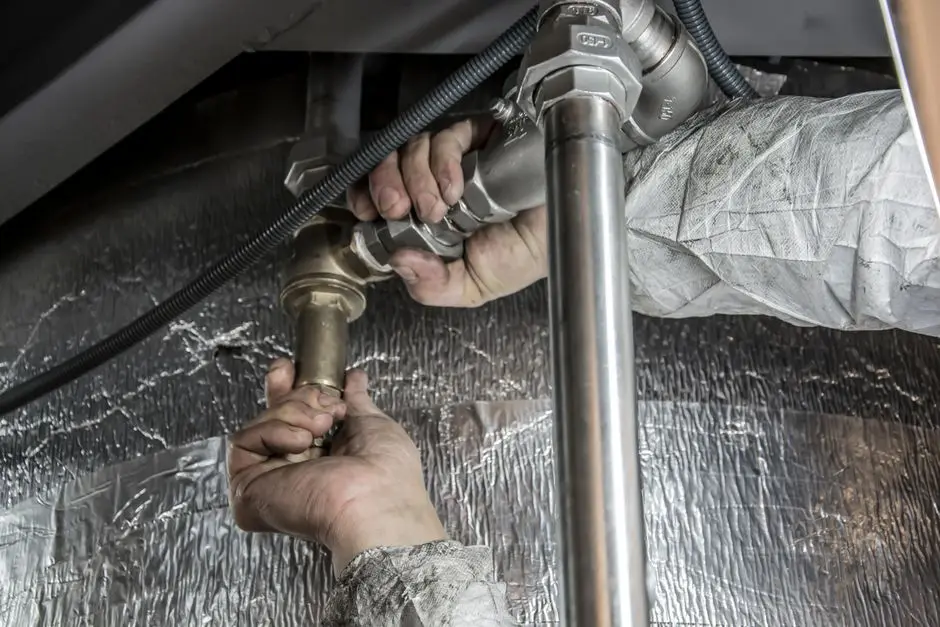
Common toilet problems in Downtown Lancaster are usually running tanks, recurring clogs, leaks around the base, weak flushes, and fill valves that keep cycling. They often come from worn tank parts, inappropriate items flushed, mineral buildup, or aging connections-not from a toilet that needs immediate replacement. We help Lancaster property owners identify the cause and choose a repair that fits the fixture and building. This guide explains what you can check safely, what a plumber looks for, likely 2026 repair costs, and the signs that a toilet has reached the end of its useful life.
For us, common toilet problems downtown lancaster PA describes recurring fixture faults that waste water, interrupt normal use, or risk damage to floors and nearby rooms. Downtown includes a mix of older row homes, apartments, renovated buildings, and businesses, so the same symptom can have different causes. A slow-draining toilet in one bathroom is not automatically a sewer problem; several fixtures backing up at once is more concerning.
What are the most common toilet problems in Downtown Lancaster?
The most common toilet issues downtown lancaster PA residents report are a tank that will not stop refilling, a bowl that clogs repeatedly, water on the floor, a weak flush, and a handle or seat that has come loose. We start by finding out when the symptom began and whether other drains are affected.
A toilet tank holds several working parts in a small space. The flapper seals the flush valve, the fill valve restores tank water, and the float controls the stopping level. If one part sticks or wears out, you may hear a hiss or see water trickling into the bowl long after a flush.
In a multi-unit building, a toilet problem may also involve shared drainage or a fixture above or below yours. Tell us whether the trouble affects one toilet, multiple bathrooms, or other drains; that detail helps narrow the diagnosis before parts are changed.
- Running: a steady hiss, intermittent refill, or rippling water in the bowl.
- Clogging: a high bowl level, slow retreat, or an overflow after flushing.
- Leakage: moisture at the shutoff, supply line, tank, or toilet base.
- Weak flush: incomplete clearing, low tank level, or a flush that needs a second try.
When these symptoms need hands-on work, our Plumbing service lancaster PA covers toilet and broader plumbing concerns across the city. We check the fixture and its connections rather than treating every symptom as the same repair.
Why does my toilet keep running in Downtown Lancaster?
A toilet keeps running in Downtown Lancaster most often because the flapper no longer seals, the float is set too high, or the fill valve has worn out. A short refill every few minutes can still waste water; the sound may stop when you open the tank, but the leak into the bowl continues.
With the lid lifted, watch the water level after a flush. If water spills into the vertical overflow tube, the float setting or fill valve needs attention. If the water stays below the overflow but the bowl continues to ripple, the flapper or flush-valve seal is a likely source.
Here is a safe first check: make sure the chain has a little slack and is not caught under the flapper. A chain pulled too tight can hold the seal open. If the flapper is warped, brittle, or coated with buildup, replacing it with a compatible part usually stops the leak. Shut off the toilet's supply valve before removing tank parts, and do not force an old valve that feels seized.
Toilet running downtown lancaster complaints are especially easy to miss in a busy household or rental unit. If adjusting the chain does not stop the sound, or the tank refills by itself repeatedly, we can test the seal and fill valve, replace the failed component, and confirm that the tank shuts off at the proper level.
How to handle a clogged toilet without making it worse
A clogged toilet in Downtown Lancaster is usually caused by too much paper, wipes, hygiene products, or an object lodged in the trapway. Stop flushing when the bowl rises; another flush can push water over the rim and damage the floor below.
Use a toilet plunger with a flange that fits into the drain opening. Keep enough water in the bowl to cover the rubber cup, create a seal, and push steadily before pulling back. Several controlled strokes are more useful than frantic splashing. If the water level drops, wait and test with a small flush while watching the bowl.
Do not pour chemical drain cleaner into the toilet. It can sit in the bowl or pipe, expose you to corrosive liquid, and complicate the work if a plumber needs to clear the blockage. A closet auger designed for toilets is a better tool for a stubborn obstruction, but stop if you feel hard resistance or risk scratching the porcelain.
A single blockage often clears with careful plunging. If your toilet clogs again within days, other fixtures gurgle, or water backs up into a tub or shower, the issue may be farther down the drain. We can distinguish a fixture clog from a wider drainage problem; a repeated problem affecting multiple fixtures may call for drain cleaning lancaster PA rather than another round of plunging.
Leaks, weak flushes, and older Downtown bathrooms
Leaks and weak flushes in Downtown Lancaster often come from worn seals, loose supply connections, mineral deposits, or aging fixture parts. A dry-looking bathroom can still hide a slow leak beneath the toilet, so check for a soft floor, a musty smell, or a recurring damp ring around the base.
Water at the base after flushing can mean the wax seal has failed, but a loose toilet or a cracked bowl can produce similar signs. Wiping the floor and observing when moisture returns can help, but do not keep using a toilet that rocks or leaks around its base. Water can damage flooring and the subfloor before the stain becomes obvious.
For a weak flush, first check that the tank fills to the marked level and that the handle lifts the flapper fully. Mineral deposits in the rim holes can also disrupt the rinse pattern. If the tank level and handle are correct but the bowl still clears poorly, a partial blockage or venting issue may be involved.
Older downtown properties may have compact bathrooms, nonstandard connections, or fixtures installed during different renovation periods. We verify the shutoff, supply line, mounting, and drain alignment before choosing parts. If the toilet is cracked, unstable, or no longer suits the household's needs, we can discuss toilet replacement lancaster PA alongside repair options.
Toilet repair cost and repair-versus-replacement decisions
Toilet repair cost in Downtown Lancaster depends on the failed part and access: a straightforward adjustment or basic tank repair often falls around $125-$250, while a more involved valve, seal, or removal-and-reset job can run about $250-$500. These are planning ranges for typical 2026 pricing in this area, not a quote for every fixture.
The price changes if the toilet is difficult to access, a shutoff valve will not close, the flange is damaged, or water has affected the floor. Before work begins, we identify the fault and explain the repair price so you know whether a simple part replacement or a larger job is involved.
Repair usually makes sense when the porcelain is intact, the toilet is stable, and one replaceable part is causing the trouble. A new flapper or fill valve is less costly than replacing a sound toilet. Replacement deserves consideration if the bowl or tank is cracked, the fixture rocks because its mounting or flange is damaged, clogs return despite clearing the drain, or repair costs keep accumulating.
Many toilets last 20 years or longer, but age alone does not decide the issue. Look at the repair history, water use, comfort, and whether the model clears waste reliably. We can assess the existing toilet and explain the practical difference between a repair and a replacement without pushing you toward a fixture you do not need.
Common mistakes that make toilet problems worse
Common toilet repair mistakes in Downtown Lancaster include flushing again when the bowl is already high, using chemical drain opener, overtightening tank bolts, and forcing an old shutoff valve. Each can turn a manageable clog or small leak into a spill, cracked porcelain, or a damaged connection.
Tank bolts need to hold the tank steady, not squeeze it hard against the bowl. Porcelain can crack under uneven pressure, and the damage may not be visible until water appears on the floor. Tighten only enough to stop movement; if the tank still shifts or leaks, the washers or mounting hardware likely need attention.
Keep wipes, paper towels, cotton swabs, and hygiene products out of the toilet even when packaging calls them flushable. A toilet is designed for human waste and toilet paper. In older or shared drainage systems, those products can catch on rough surfaces and contribute to repeat blockages.
Also avoid ignoring a toilet that runs intermittently. A fill cycle lasting more than a minute after a flush, or a refill that starts when nobody has used the fixture, deserves a closer look. Catching a tank leak early protects water use and makes the eventual repair simpler.
When to call a professional for toilet repair
Call a plumber for toilet repair in Downtown Lancaster when water is leaking at the base, the bowl overflows repeatedly, the toilet rocks, or multiple drains back up at once. Those signs can point beyond an inexpensive tank adjustment, and continued use can spread water damage or expose a larger drain issue.
Turn the shutoff valve clockwise if the toilet is actively overflowing or the supply line is leaking, provided the valve turns without force. If it will not close, or water is spreading beyond the bathroom, stop using the fixture and contact a plumber. Never stand in water near electrical equipment.
We handle toilet issues downtown lancaster PA by checking the tank, bowl, supply, shutoff, base, and visible drainage symptoms. Lancaster Pennsylvania Plumbing Service can help you choose a practical fix, whether the problem is a worn seal, stubborn clog, loose connection, or a toilet that needs replacement.
For commercial bathrooms and rental properties, a toilet out of service affects customers, tenants, and staff. We can evaluate the fixture and explain the next step; if you are arranging work for a business, our commercial plumber lancaster PA service handles plumbing needs in commercial settings.
Frequently Asked Questions
What are common toilet problems in Downtown Lancaster PA?
The most common problems are running tanks, clogged bowls, leaks at the base or supply line, weak flushes, and loose handles. A worn flapper or fill valve often causes running, while repeated clogs or gurgling can point to a drain issue. Note whether other fixtures are affected before deciding whether the problem is limited to one toilet.
Why does my toilet keep running in Downtown Lancaster?
A toilet usually keeps running because the flapper leaks, the float is too high, or the fill valve fails. Check for water entering the overflow tube and make sure the chain does not hold the flapper open. If the tank refills every few minutes or adjustment does not stop the sound, replacing a worn component is the next step.
How much does toilet repair cost in Downtown Lancaster, Pennsylvania?
In 2026, a straightforward toilet repair commonly runs about $125-$250, while more involved valve or seal work can cost roughly $250-$500. The final price depends on the failed part, access, and whether the shutoff, flange, or floor also needs attention. We explain the repair before proceeding.
Should I repair or replace my toilet in Downtown Lancaster PA?
Repair the toilet if the porcelain is sound and a replaceable part is causing the problem; consider replacement when it is cracked, unstable, repeatedly clogged, or costly to keep repairing. A toilet can last 20 years or more, so age alone is not enough. Compare the condition, repair history, and performance before deciding.
Is a toilet leak at the base an emergency?
A leak that returns after flushing or makes the toilet rock needs prompt attention, because water can damage the floor beneath the fixture. Stop using it if water spreads, the floor feels soft, or the bowl is unstable. A supply-line leak that will not stop is more urgent; close the shutoff if it turns safely and call for help.
Get help with Plumbing service in lancaster
Running tanks, repeat clogs, and toilet leaks are fixable once the cause is identified. Call Lancaster Pennsylvania Plumbing Service at (877) 890-1735 to arrange toilet help in Lancaster.